
Plant physiology
Plant physiology is the study of how plants function, focusing on the vital processes that enable their growth, development, and survival. It explores topics such as photosynthesis, respiration, water and mineral uptake, hormone regulation, and responses to environmental stimuli. By understanding these internal mechanisms, plant physiology helps explain how plants adapt to changing conditions and how they maintain life processes essential for both natural ecosystems and agriculture.
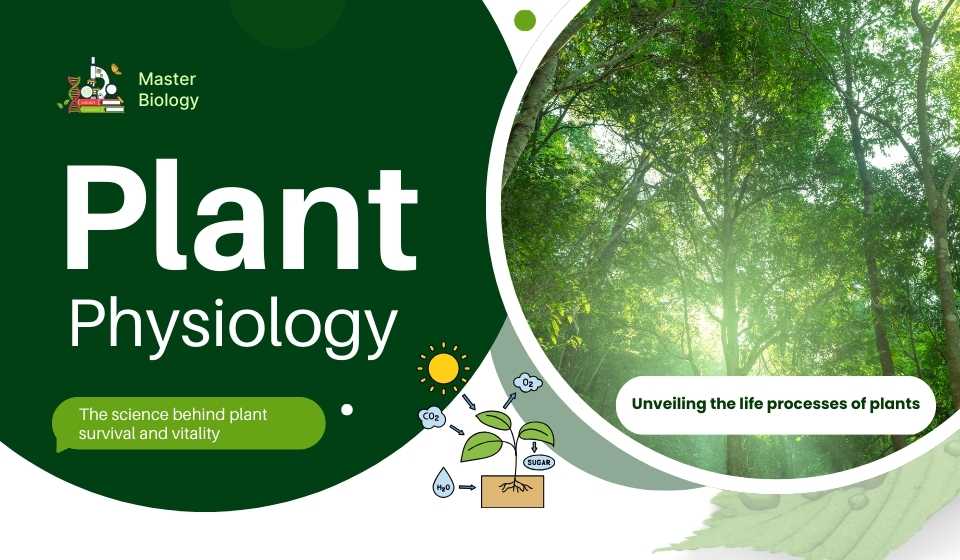
In this chapter on Plant Physiology, we will explore two essential life processes of plants—photosynthesis, where plants produce food using light energy, and respiration, where they break down this food to release energy for growth and survival. Together, these processes explain how plants sustain themselves and support life on Earth.
Photosynthesis
Respiration
Plant Growth and Development


Strengthen Concepts, Reduce Surprises
Solve Previous Years’ Questions
Crack Exams with Confidence — Practice Previous Years’ Questions Today!
Plant Physiology
Plant Growth and Development
1 Introduction Plant growth is defined as a permanent, irreversible process that…

Factors Affecting Photosynthesis: The Levers of Productivity
Photosynthesis is the engine of life on Earth, but its rate is…
C3, C4, and CAM Pathways: Nature’s Strategies for Conquering Climate
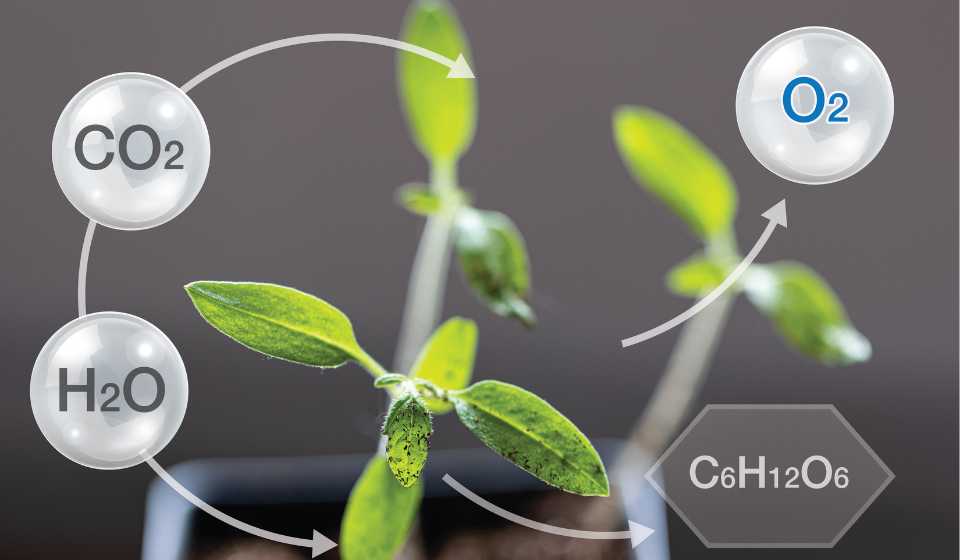
Photosynthesis is the process that powers life on Earth, converting sunlight, water,…