
Ecology
The study of ecology comprises understanding how organisms relate to one another and to their physical surroundings. It explores interactions such as competition, predation, and symbiosis, and examines how factors like climate, soil, and resources influence the distribution and abundance of species. Ecology also investigates energy flow, nutrient cycling, ecosystem dynamics, and the effects of environmental changes, providing insight into how natural systems function and sustain life.
Ecosystem Structure and Function
Organisms and Environment

Strengthen Concepts, Reduce Surprises
Solve Previous Years’ Questions
Crack Exams with Confidence — Practice Previous Years’ Questions Today!
Ecology

Productivity and Decomposition: The Twin Engines of Ecosystem Functioning
Ecosystems are not static collections of organisms; they are dynamic systems powered…
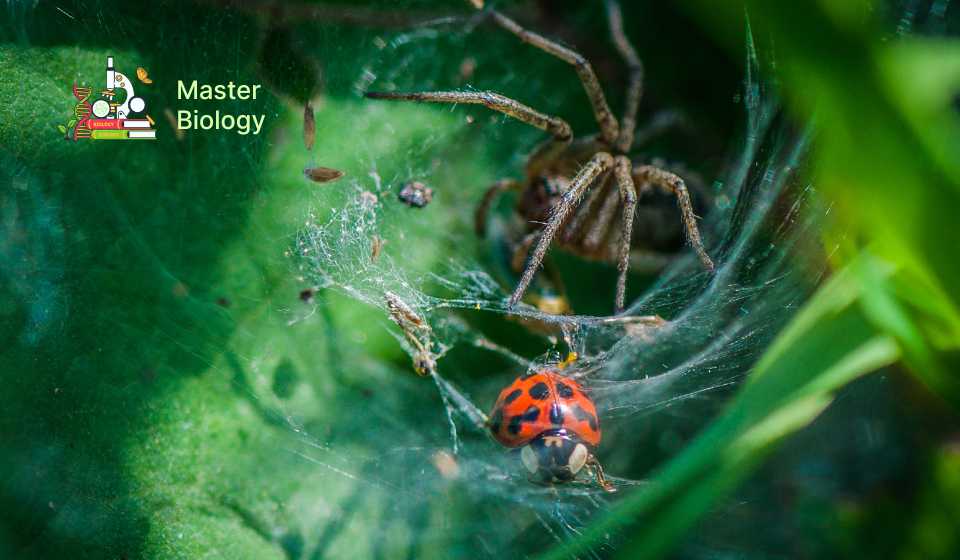
Energy Flow through the Ecosystem: The Unidirectional Current of Life
Energy is the currency of life. Every activity in an ecosystem—from a…
What is an Ecosystem; Ecosystem Patterns and Components
1. What is an Ecosystem? An ecosystem is the fundamental unit of…