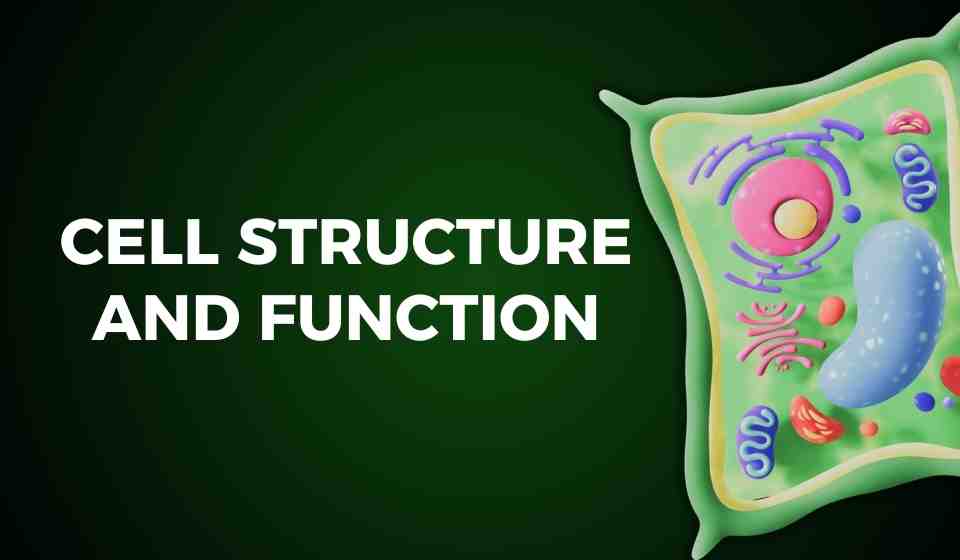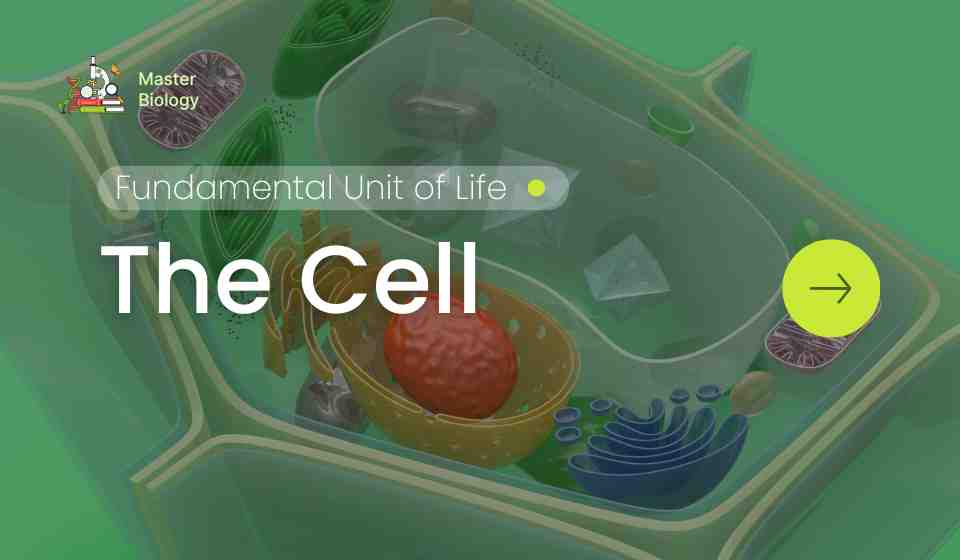
Cell Structure and Function

Cells are the basic units of life, and all organisms are built from them. This module explains cell structure, key biomolecules, and how cells divide to grow and reproduce. Understanding these basics is essential for studying all biological processes.

CHAPTERS:
Cell Structure
Structure and Organization
Biomolecules
Biomolecules and Enzymes
Cell Division
Cell Cycle and Cell Division
Cell Structure and Function
  • Let’s understand how cells are built,
  • What they are made of, and
  • How they divide to sustain life?
Cell Structure
Biomolecules
Cell Division

Cell Structure and Organization

Cell theory and cell as the basic unit of life
Structure of prokaryotic and eukaryotic cell
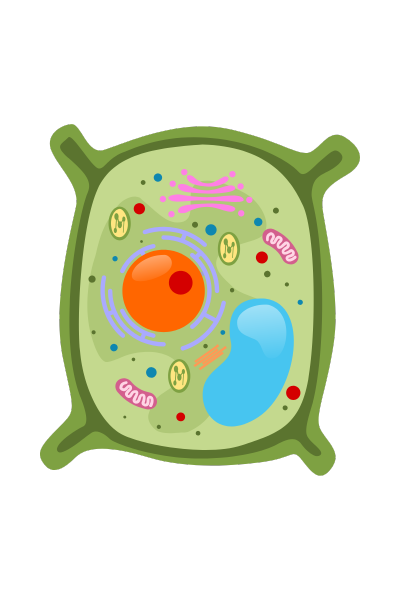
Plant cell and animal cell
Cell envelope, cell membrane, cell wall
Cell organelles: structure and function
Endomembrane system – endoplasmic reticulum, Golgi bodies, lysosomes, vacuoles
Mitochondria, ribosomes, plastids, microbodies
Cytoskeleton, cilia, flagella, centrioles (ultrastructure and function)
Nucleus – nuclear membrane, chromatin, nucleolus

Biomolecules and Enzymes

Chemical constituents of living cells
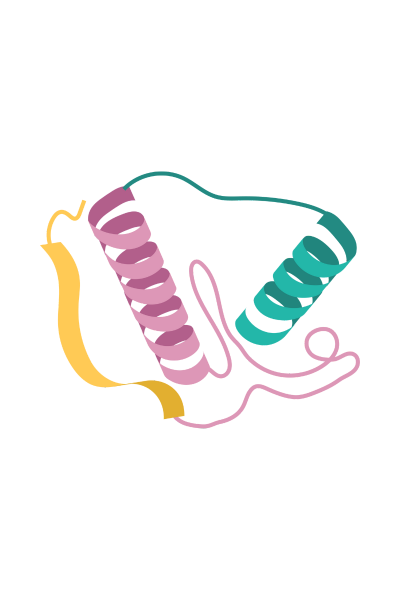
Biomolecules – structure and function of proteins, carbohydrates, lipids, nucleic acids
Enzymes – types, properties, mechanism of enzyme action
Classification and nomenclature of enzymes

Cell Cycle and Cell Division

Cell cycle
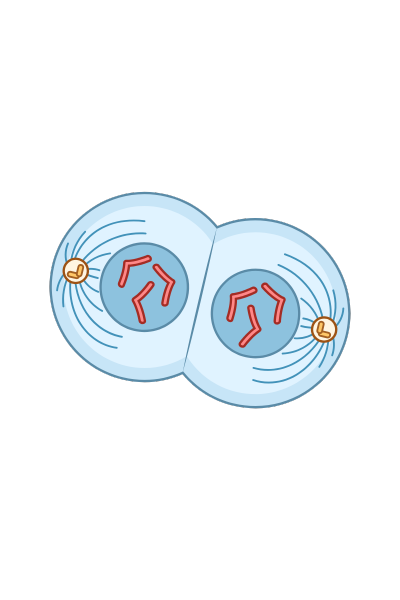
Mitosis
Meiosis
Significance of cell division
“The cell is life’s smallest classroom—where structure, molecules, and division come together to create every living being.”
Strengthen Concepts, Reduce Surprises

Solve Previous Years’ Questions

Crack Exams with Confidence — Practice Previous Years’ Questions Today!

Cell Structure and Function