Plant Physiology

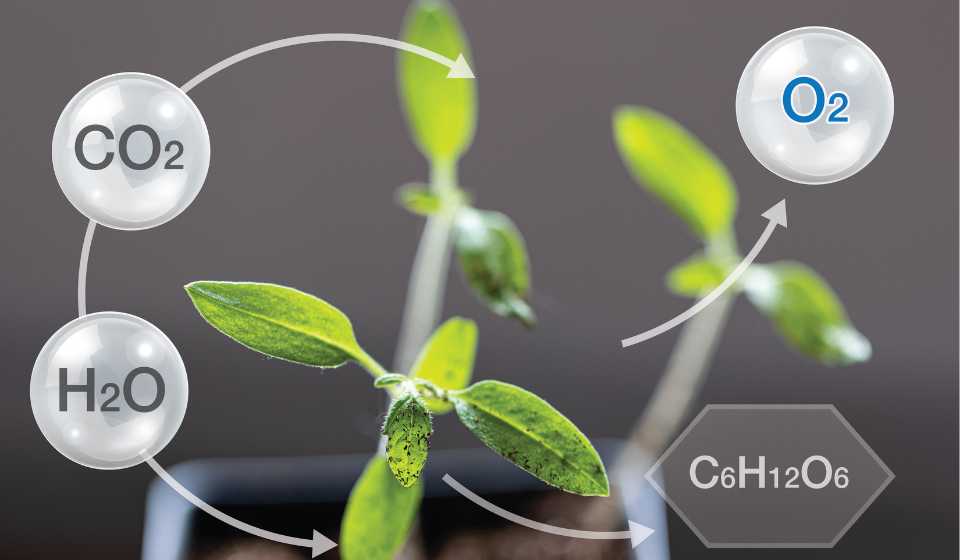
photosynthesis-process

C3, C4, and CAM Pathways: Nature’s Strategies for Conquering Climate

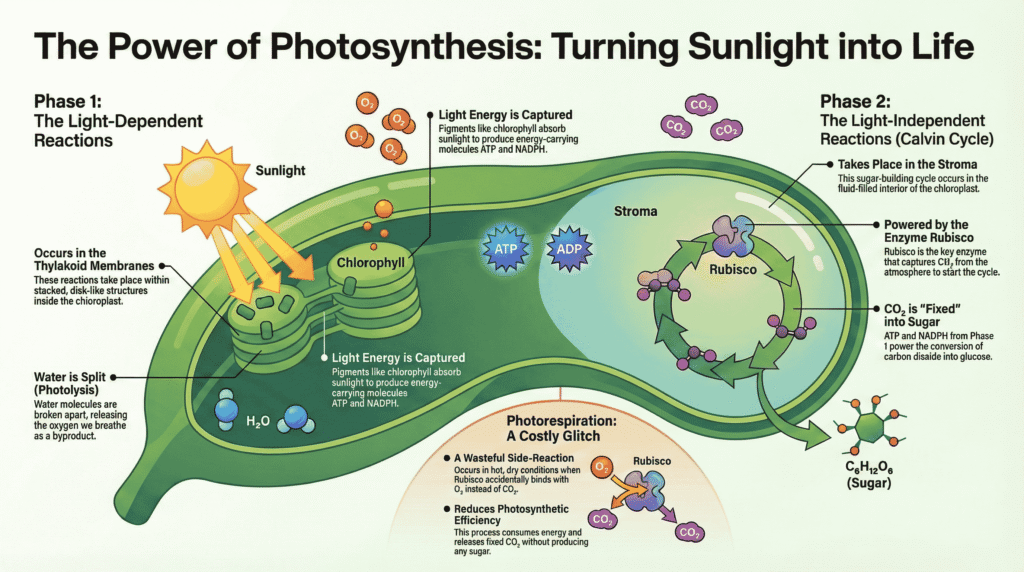
Photosynthesis is the process that powers life on Earth, converting sunlight, water, and carbon dioxide into food. However, a critical enzyme involved in this process, Rubisco, has a flaw: it can be fooled by oxygen, leading to a wasteful process called photorespiration. To overcome this challenge, plants have evolved three distinct biochemical pathways: C3, C4,

C3, C4, and CAM Pathways: Nature’s Strategies for Conquering Climate Read More »

Plant Growth and Development

Plant Growth and Development

1 Introduction Plant growth is defined as a permanent, irreversible process that increases the size and volume of a plant through cell division and enlargement. In contrast, plant development refers to the entire sequence of changes that occur throughout the plant’s life cycle, from seed germination to senescence. Growth is primarily quantitative (measurable changes in

Plant Growth and Development Read More »

Plant Respiration

Plant Respiration: The Unseen Engine of Plant Life

1. Introduction to Plant Respiration While photosynthesis is celebrated as the process that fuels life on Earth, its essential counterpart is respiration. Plant respiration is the fundamental metabolic process by which cells break down complex organic molecules, such as glucose, to release the energy required for growth, development, nutrient uptake, and repair. Unlike photosynthesis, which

Plant Respiration: The Unseen Engine of Plant Life Read More »